“She was just as much a soldier as I was.” – Zachary Taylor

Margaret Mackall Smith
…long forgotten by history, Margaret Smith was a Mackall on her mother’s side. They were a prominent Maryland family, whose distaff members were said to be the belles of Baltimore.
Margaret Smith (1788-1852) alas, was the youngest of a large brood. Her father, Walter Smith, had substantial property, and little Peggy was well on her way to a happy childhood, and hopefully a happy life. She learned her 3-Rs and the necessary housekeeping tasks like all well-bred young girls her age. Then her mother died when she was ten.
The next few years were mostly in care of her Mackall grandparents, including some time at a New York finishing school. But her father died when she was in her mid-teens, and she went to live with a married sister in Louisville, Kentucky.
It is fuzzy how and when she met Zachary Taylor, an enlisted soldier. It was definitely in Kentucky, however. His family, originally from Virginia, had moved to Kentucky when Zachary was still in his teens. Opting against a formal classical education, he decided to become a soldier. West Point had barely opened its doors, and learning by experience was still the best route to a military career.
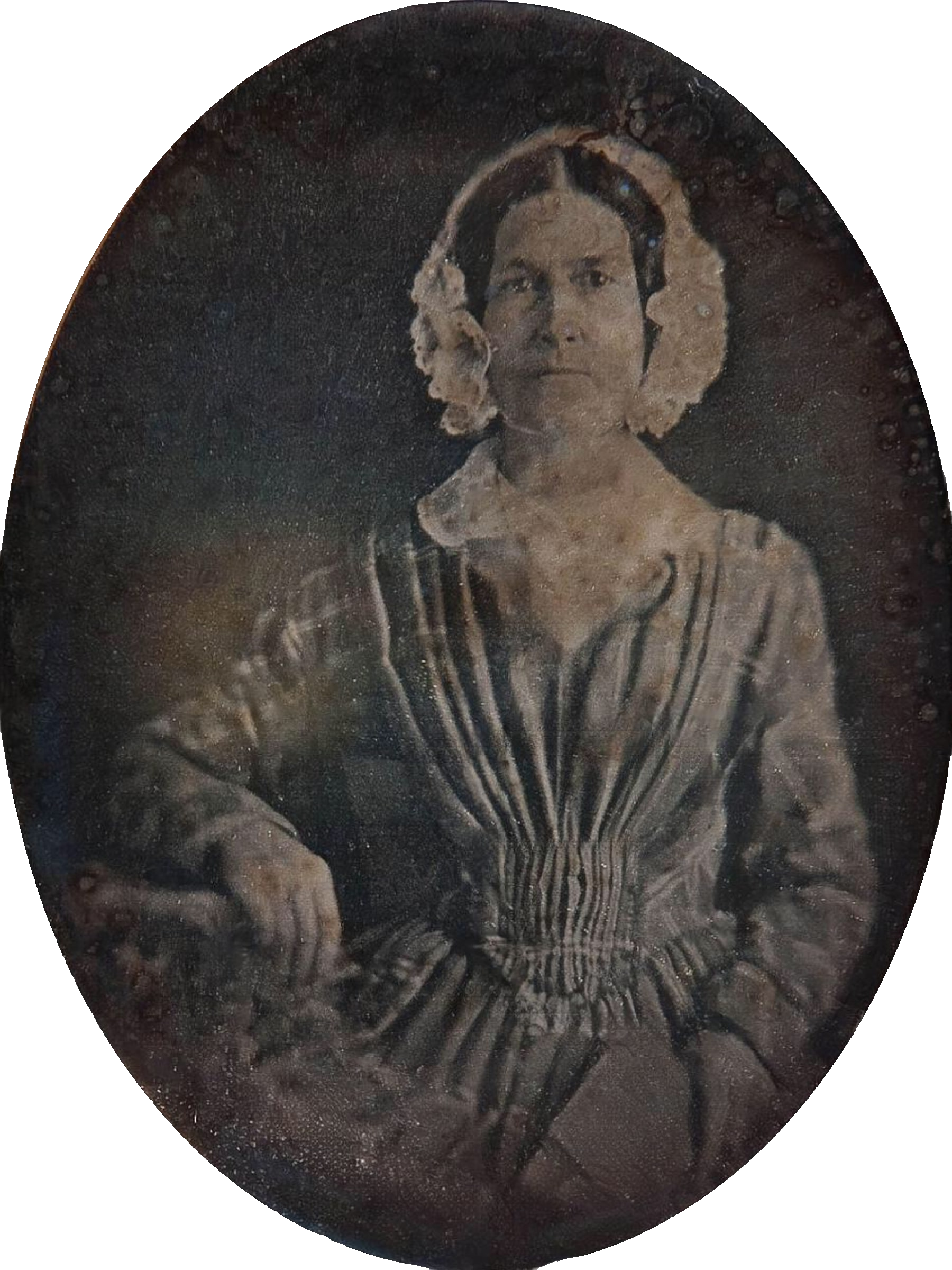
The facts of their courtship suggest they had been acquainted for a year before they married. And while there were periodic separations (common to all military spouses) she went with him as an army wife in its true sense: wherever he was sent.
Army Wife Circa 1810:
It was not easy. According to the 1810 census, there were only 17 states. But the new territory of Louisiana (huge), and territories in Indiana, Michigan and Illinois were quickly attracted settlers seeking a better life, and statehood down the road. Settlers required at least a modicum of protection, whether from hostile natives or themselves.
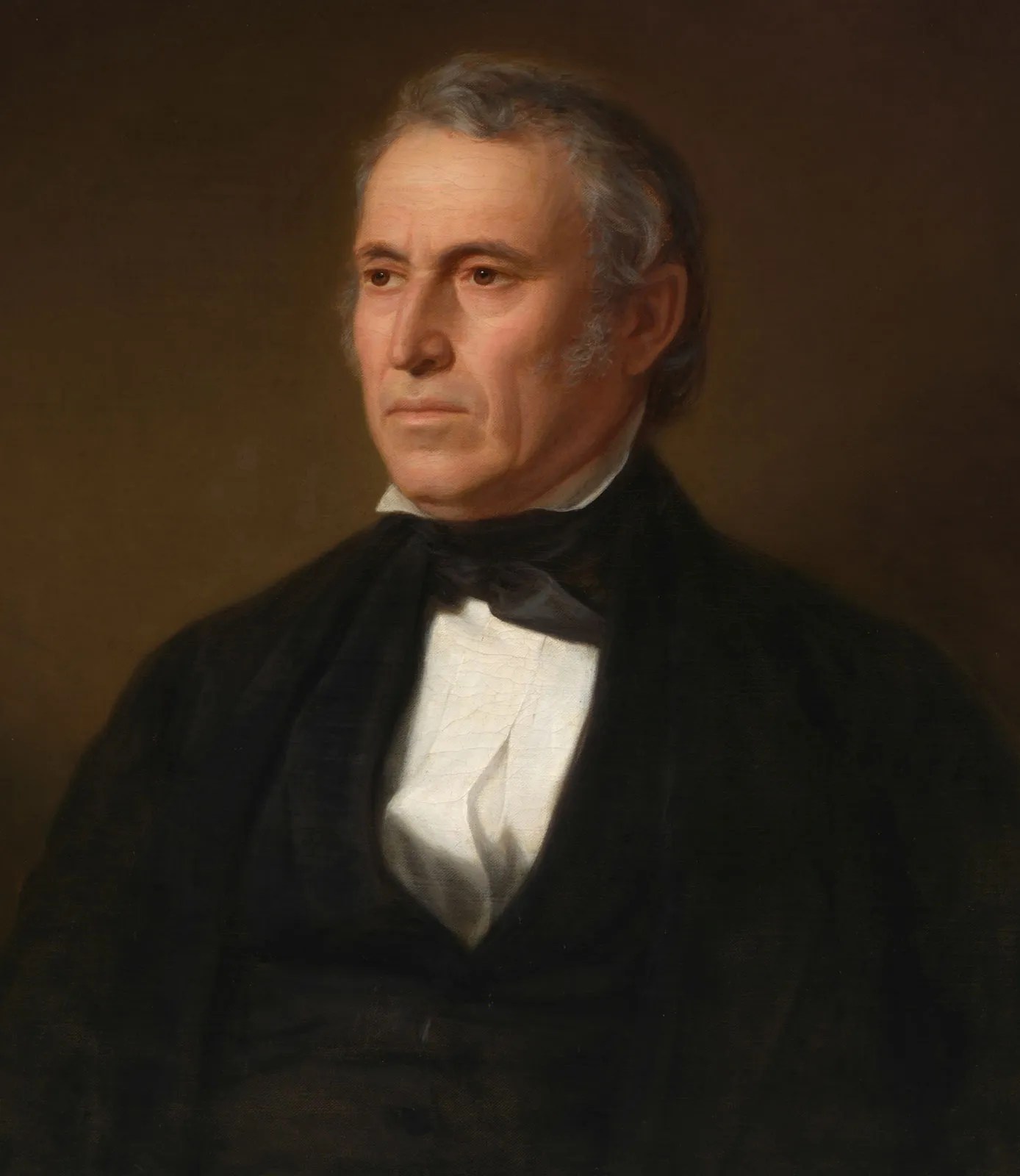
Zachary Taylor was a young officer (proven viable and capable from the start) who was dispatched to various outposts to maintain law and order. According to lore – and what was commonplace among the regular army at that time, the newlyweds lived in tents, lean-tos, shacks, fortresses, an occasional hotel or private dwelling and periodically out in the open if necessary.
They traveled on horseback, or occasionally in army wagon trains. Food was cooked out in the open, and consisted primarily on what their foragers could provide in the way of game. It was a hard life. There were few (if any) luxuries or ties to the more “genteel” life that the former Margaret Smith had enjoyed in her younger days.
The Family Taylor
Zachary and Peggy Taylor had six children: Ann, Sarah Knox (always called Knoxie in the family), Octavia, Margaret, Mary Elizabeth (Betty), and finally a son, Richard. Both Octavia and little Margaret died in early childhood from what was called bilious fever – a malarial-type of disease, usually highly contagious.


Margaret was devastated by the loss of her two small daughters, and became seriously ill herself. It took years to fully recover, and her health would always be compromised. Malarial types of diseases are known to recur from time to time.
Raising small children in military outposts in the 1820s was daunting – and both Taylors wanted the best for their offspring. When the children were small, it was Peggy who taught them their essentials: reading, writing, doing sums, basic sewing and handiwork. Then, when they were around eight, they were brought east, to stay with family, and attend regular schools. Sometimes they came back home (wherever that was) for summer vacation; sometimes they didn’t see their parents for more than a year.
Peggy, however, maintained her rule as the senior officer’s wife on the military base. Occasionally she was the only female on the base. She tended the sick when needed. She kept chickens and planted a large garden to provide fresh vegetables. She is also said to have churned butter and cheese in the basement – and also kept a fairly impressive wine cellar – for visiting guests.
Most of All, However…
The Taylors did not want their four surviving children to follow in military footsteps. Living in harsh frontier conditions was hard – particularly on one’s health.
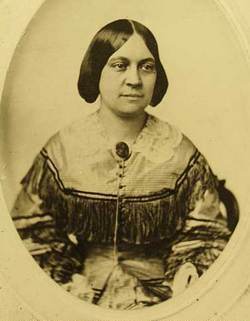
Despite their fine intentions, each of their three daughters married Army officers. Their middle daughter, Sarah Knox, had the distinction of falling in love with – and later eloping with a young West Point Lieutenant – against her father’s will. After their elopement, Sarah and her bridegroom, young Jefferson Davis, traveled to New Orleans to meet his family. She contracted malaria and died after only a few months of marriage.
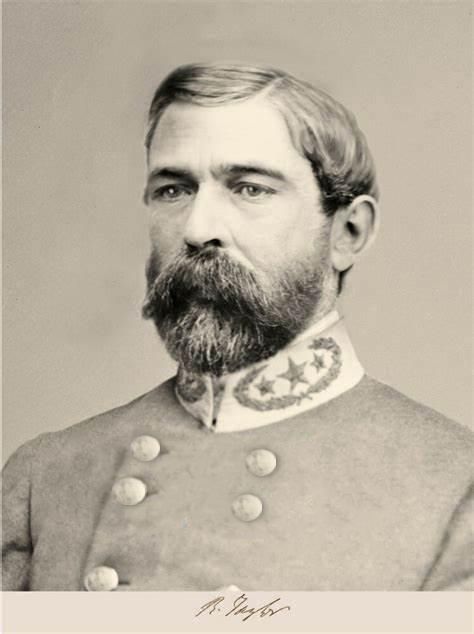
Both Ann and Betty married Army officers as well. Their son Richard, who was sent to Yale and then to Oxford for a superb education, became a General in his former brother-in-law’s Confederacy. It was under General Richard Taylor that the Confederacy fought its last battle.
So much for parental influence.
The Final Blow
When General Zachary Taylor came to national prominence during the War with Mexico, it was only a matter of time before he was touted for the Presidency. The Taylors had recently purchased a plantation of their own in Baton Rouge, and planned to spend their retirement quietly. When the former General was coerced into candidacy, Peggy Taylor uttered her only known quotation: “It will shorten both our lives.”
During her residence in the White House, she kept mostly to herself, causing gossip that she was coarse (shades of Rachel Jackson) and unfit for public life. She entrusted her youngest daughter, Betty Bliss to serve as hostess.
But she was right. Their lives were shortened. Zachary Taylor died a year and a half after his election. She died two years later.
Sources:
Boller, Paul F. Jr. – Presidential Wives: An Anecdotal History – 1988 Oxford University Press
Caroli, Betty Boyd – First Ladies: An Intimate Look at How 38 Women Handled what may be the most Demanding, Unpaid, Unelected Job in America – Oxford University Press, 1995
https://millercenter.org/president/taylor/essays/taylor-1849-firstlady
http://archive.firstladies.org/biographies/firstladies.aspx?biography=13
 Presidential History Blog