

Richard Mentor Johnson was our first VP Johnson. Andrew (2) and Lyndon (3) came later.
RMJ: Kentuckian
Richard Mentor Johnson (1780-1850), was born/raised near what is now Louisville, KY when the area was still part of Virginia. His was a large, prosperous family who moved to the Lexington area when RMJ was in his mid-teens. He was sent to Transylvania College (the oldest college west of the Alleghenies) and read law.
Between his own considerable acreage, brawny good looks and a pleasing personality, and the need for deeds and property settlements, Johnson did well. By the early years of the 19th century, he was already a state legislator. Even before the Constitutionally determined age of 25 for a Congressman, RMJ was elected to Congress. (He was 25 when he was sworn in.) When Thomas Jefferson was President, Johnson could be counted on as a staunch Democratic-Republican.
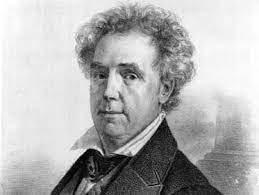
When James Madison was President, Johnson became a trusted ally of the so-called War Hawks, which included Henry Clay and John C. Calhoun. He fought in the “western” theater (the Great Lakes and Canada) during the War of 1812. It was said (but never proven), that it was RMJ who fired the shot that killed Tecumseh at the battle of the Thames. Nevertheless, Johnson never denied it, and used it whenever it was beneficial.
When Andrew Jackson started making serious Presidential noise, Richard Johnson was shortlisted as a Vice Presidential running mate. Jax wound up with Calhoun, which he regretted. By the time, Martin Van Buren had worked his way into Jackson’s confidence as a possible successor, Johnson was overlooked.
RMJ: Vice President
The Vice Presidency had begun its constitutional life as an afterthought. There was little support for the position, and no real significance in its office.
After the debacle between Thomas Jefferson and Aaron Burr over the Presidency in 1800, adjustments regarding the VP were made and clarified. But the position was still a throwaway: a geopolitical accommodation between North-South, or East-West. But it was honorable and well paid: $5000/year, at a time when $500 a year was considered decent.
The balance between the cosmopolitan Martin Van Buren (NY) and the rough-hewn Kentuckian seemed beneficial. Johnson had a Jackson-like campaign slogan of “Rumpsy-dumpsy, Rumpsy-dumpsy, Richard Johnson killed Tecumseh.”
Ah but… there was a scandal (see below) that was well known in Washington, and Johnson failed to receive the crucial electoral votes to become VP. His actual “election” to that position was via the Senate. He remains the only VP elected by the Senate.
But Martin Van Buren won handily, and RMJ became VP. It was generally ceremonial, and few politicians ever consulted the VP.
The Scandal Part…
It was said (actually whispered) that as a young man, Johnson had seduced one of his father’s slaves. This was not uncommon at the time, particularly in Kentucky. But this was different.
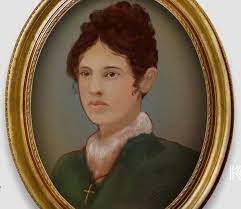
Julia Chinn was an octaroon. She was 7/8 white, with only one Black great-grandmother. Nevertheless, according to Kentucky law she was still enslaved, and Johnson was powerless to free her.
It was not merely a man-concubine relationship. They lived in his home as common law man and wife for twenty years. Until her death.
Every indication is that he was very good to her and they were happy. She bore him two daughters. He gave them his name and raised the girls as his own. He dressed them in satin and lace and had them well educated.
Adaline and Imogene Johnson were not only given all the comforts and benefits of any young ladies who did not have (1/16th) Black blood, but their father introduced them into high level society as his daughters, and they eventually married white men.
Julia Chinn had carte blanche on his plantation. She made all the household decisions in RMJ’s absences (and there were many) and his creditors and tenants and overseers quickly learned to abide by her decisions. It is said that her business judgment and ability was well respected.
Then she died of cholera, some three years before RMJ became VP, as did their daughter Adaline.
More Scandal…
While Johnson’s personal relationships were neither denied nor loudly broadcasted, there were those politicians in the South who were aghast at the situation. They easily accepted “wrong side of the blanket” issues of any color – but complete acknowledgement and open social acceptance when racial issues were involved, was absolutely verboten. After Chinn died, Johnson was known to take up with other darker complected women. It was a slap in the face to the politicians. They would not tolerate Johnson in high office.
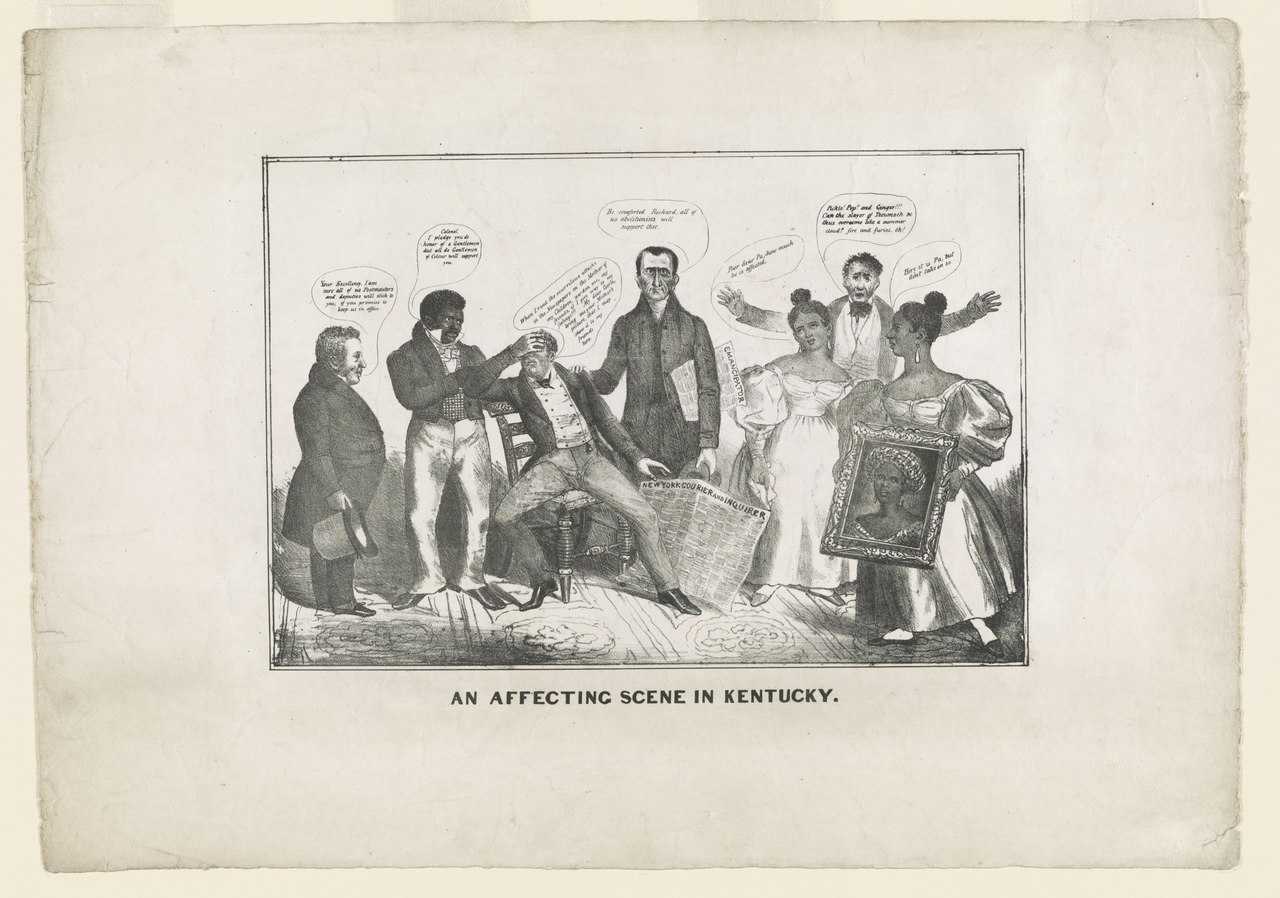
President Martin Van Buren was a long time widower with four sons and no daughters. The societal nuances had little impact on him, and most indications are that he was generally neutral about his Vice President. But he was shrewd, and likely realized that Johnson was a liability at the ballot box.
When the election of 1840 was being considered, the Democrats opted to re-elect (or try to) Martin Van Buren. But they also opted NOT to include Vice President Richard Johnson on the ticket.
The Upshot – and the Irony
In 1840, President Martin Van Buren (left) ran for election alone. There was no Vice Presidential candidate put forth by the Democrats.

His opponent was a Whig, a motley new party of dissatisfied Democrats, most of whom loathed the aged Andrew Jackson and were concerned about a nasty economic downturn.
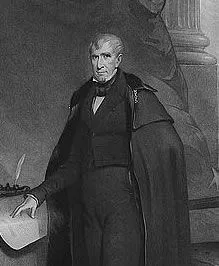
They ran a former general of the modest “battle” of Tippecanoe during the War of 1812. William Henry Harrison (right) was in his late 60s, with a semi-prominent name and a decent enough reputation.
As his Vice President, they selected a maverick Democrat, John Tyler of Virginia with an axe to grind with Jackson. It was still a throwaway office. In fact their slogan was “Tippecanoe and Tyler too.”
They won. A month after Inauguration Day, Harrison died and Tyler became the first VP to become POTUS upon the death of his predecessor.
Sources:
Barzman, Sol – Madmen & Geniuses: The Vice-Presidents of the United States – Follett Publishing, 1974
Shafer, Ronald G. – Breaking News All Over Again – Amazon Publishing, 2022
https://millercenter.org/president/vanburen/essays/johnson-1837-vicepresident
 Presidential History Blog